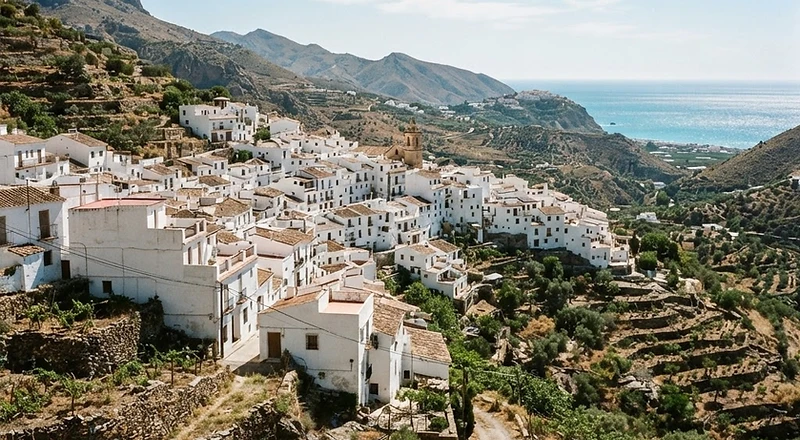
Arenas Prepares Historic Axarquía Rural Mule Fair
The Axarquía village of Arenas gears up for its iconic Mule Fair on 12 October, honouring the traditional draught animals that shaped regional farming.
A Fair Rooted in the Land
Up in the terraced valleys above the coast, the white village of Arenas is dusting off its fairground for one of the Axarquía's most distinctive annual events. The Mule Fair returns on 12 October, and this year, as every year since it earned its status as a regional event of Unique Tourist Singularity, the celebration looks back at a working relationship that shaped the landscape long before tourism ever reached the Costa del Sol.
Arenas sits inland from Torre del Mar, one of dozens of small municipalities scattered across the hills of Costa del Sol Oriental where farming, not sunbathing, defined daily life for centuries. The fair exists because of that history — specifically, because of an animal that made steep-slope agriculture possible at all.
Why Mules Mattered in the Axarquía
Before tractors and all-terrain vehicles arrived in Andalusian farming, the mule did the work that no wheeled vehicle could manage. The hillsides around Arenas are punishingly steep, the kind of terrain that produces excellent Moscatel grapes and sun-dried raisins precisely because the vines cling to slopes too awkward for conventional cultivation. Mules were the only practical option for getting the harvest down.
Sure-footed and strong, they carried wicker baskets loaded with grapes, olives and almonds along cliffside tracks that no cart could navigate, down to local presses and onward to the ports along the coast. For generations, a farming family's fortunes depended as much on the health of its mules as on the quality of its soil. That dependency is what the fair sets out to remember.
What's Planned for the Day
Organisers have put together a programme built around the old skills rather than modern spectacle. There will be demonstrations of traditional shoeing, pack-loading competitions that test how quickly and securely handlers can load a mule's harness, and equestrian displays drawing on techniques passed down through muleteer families. Breeders and handlers are travelling from across Andalusia to take part, many dressing their animals in the woven headstalls, wool pom-poms and leather harnesses that are part of the region's fast-disappearing artisanal leatherwork tradition. These are not costumes bought for the occasion — the techniques behind them are genuinely at risk of dying out, which is part of why events like this matter to cultural preservation bodies as well as tourism boards.
Food, Wine and the Practicalities of Visiting
Away from the animal displays, the municipal showground will operate as a working fairground for the day, with food stalls serving migas — fried breadcrumbs seasoned with garlic, peppers and chorizo — alongside local wines made from the same hillside vineyards the mules once served. Village bakeries are preparing anise biscuits and tortas de aceite to recipes that, in several cases, have stayed within the same families for generations.
For anyone planning to attend from along the coast, the practical details are worth knowing in advance. Arenas is not a large village, and parking in the centre is limited at the best of times, let alone during a fair expected to draw crowds from across the province. Municipal coordinators have arranged shuttle buses running from Vélez-Málaga, along with designated rural parking areas on the outskirts, specifically to handle the volume of visiting families, cultural groups and curious expats. Anyone driving up independently should factor in extra time and expect road access to tighten as the day goes on.
Why It's Worth the Drive Inland
For residents more accustomed to beach clubs and marina restaurants, a trip up to Arenas offers something genuinely different: a direct look at the labour and tradition that shaped the inland Axarquía long before the coast became synonymous with tourism. It's an easy day trip from most points along the Costa del Sol, and for those with an interest in the region's working history, or simply a free Sunday and a taste for migas, the Mule Fair offers a rare chance to see that heritage still in practice rather than locked away in a museum case.
Related news


Arenas Prepares Historic Mule Fair Celebrating Axarquía Agricultural Traditions
The Axarquía village of Arenas readies its iconic Mule Fair on 12 October, honouring rural working heritage with displays, artisan markets and local gastronomy.

Torre del Mar Hosts Two-Day Coastal Oktoberfest Event
Bavarian gastronomy, live brass music, and artisanal brewing take over Torre del Mar's beachfront esplanade next weekend as the eastern coast launches autumn festivals.

Rincón de la Victoria Urges Expats to Register to Vote
Rincón de la Victoria Town Hall initiates an informative drive guiding British and European expats through voter roll registration requirements.
Free Guide: Buying Property in Spain 2026
A step-by-step guide for international buyers — from NIE to the notary.
We'll send you the guide link by email too. No spam — your details stay with Marbella New Homes.