
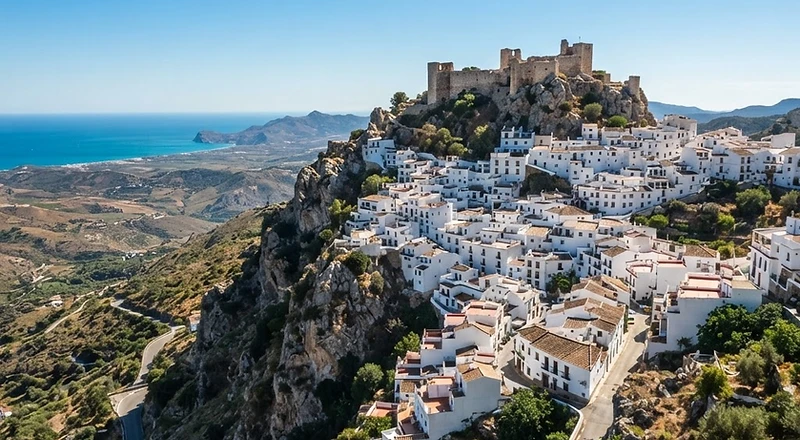
Casares Secures €3.8 Million European Fund to Restore Historic Moorish Fortress
The whitewashed clifftop village of Casares announces landmark public funding to restore its ancient castle ramparts and open panoramic tourist walks.
Casares has been awarded €3.8 million in combined European and regional heritage funding to carry out a full structural restoration of its 13th-century Moorish fortress and the defensive walls encircling the old town. The grant, drawn from joint EU and Andalusian regional conservation budgets, will fund the most extensive works seen at the site in decades, aimed at stabilising the castle walls that look out over the Strait of Gibraltar and, on a clear day, the North African coast.
Conserving Centuries of Architectural History
The fortress sits 430 metres above sea level, forming the highest and oldest part of one of the Costa del Sol's best-known white villages. Casares was established under Arab rule as a defensive outpost guarding the route between Ronda and the Mediterranean, and the hilltop site has accumulated layers of history ever since: Roman remains sit beneath Islamic-era fortifications, which were later built over during the Christian reconquest. Within the walls stand the ruins of the Church of the Incarnation, itself constructed on the site of a former mosque, along with sections of fortified towers that have stood, in various states of repair, for more than 700 years.
The restoration will be carried out by specialist conservation teams using traditional lime mortars rather than modern cement, a method chosen to match the original construction technique and avoid trapping moisture in the stonework. Crews will clear vegetation that has taken root in the walls over the years — a major cause of structural cracking in old masonry — and repair fissures opened up by decades of coastal wind and winter rain. One of the more visible additions will be an elevated wooden walkway running around the inner battlements, designed to let visitors walk the perimeter without placing weight on fragile archaeological layers beneath the surface.
Boosting Sustainable Inland Heritage Tourism
The timing is notable. While the coastal strip between Estepona and Sabinillas keeps adding new residential developments and apartment blocks, Casares council is putting serious money into an inland asset that draws a different kind of visitor. The castle restoration is partly a tourism strategy: officials want to capture walkers using the Gran Senda de Málaga long-distance path, cultural travellers looking for something beyond beach resorts, and the growing number of foreign residents settled along the coast who rarely venture inland despite living twenty minutes away.
Municipal heritage officials announced the funding on Sunday in the Plaza de España, framing the restoration as both a debt to the past and an investment in the area's long-term appeal. Plans include a small underground interpretation centre, where Roman coins, medieval ceramics and weaponry found during preliminary excavation trenches will go on public display for the first time. For a village whose economy still leans heavily on tourism, giving visitors a reason to stay longer than a quick photo stop at the viewpoint matters more than it might first appear.
Visitor Access and Project Milestones
The practical side of the project is already taking shape. Tender procedures to select restoration contractors open on 20 October, with the first phase — scaffolding erection and exploratory excavation — expected to wrap up by early spring. Anyone planning a visit in the meantime need not worry about the village losing its main attraction: while parts of the uppermost ramparts will be cordoned off during the heaviest masonry work, the Mirador del Tajo viewpoint and the cliffside footpaths that draw most day-trippers will stay open throughout the multi-stage programme.
For homeowners and residents in the surrounding area, the works are unlikely to cause significant disruption beyond the usual presence of construction vehicles on access roads near the old town. The bigger implication is longer-term: a restored fortress with proper visitor infrastructure could shift Casares from a stop on the white-village circuit to a genuine day-trip destination in its own right, with knock-on benefits for local bars, guesthouses and the handful of shops clustered around the castle approach. Anyone researching property in the area, whether drawn by the heritage or the views, can find current listings through Marbella New Homes.
Related news

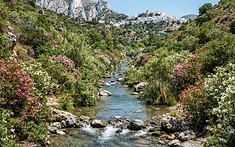
Casares Launches Riverbed Ecological Restoration Plan
Casares Town Hall commits substantial environmental funds to restore the natural biodiversity and riverbanks of the Manilva river corridor.

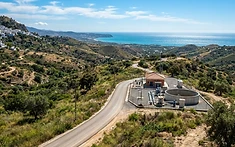
Casares Upgrades Waste Water Infrastructure Under Regional Water Overhaul
Critical sanitation and treatment facilities in Casares receive upgrades through Acosol's network modernisation programme to protect the local environment.

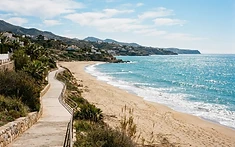
Casares Advances €230,000 Coastal Leisure Facility at Playa Ancha
Casares Town Hall moves forward with a dedicated 400-square-metre recreational space beside Playa Ancha, enhancing coastal infrastructure for local families.