
Coastal Hospitality Sector Warns Environmental Red Tape Threatens Beachside Economy
Provincial leaders and beach bar operators demand administrative reform as strict seasonal concession regulations put 20,000 hospitality jobs at risk.
Family-run chiringuitos caught in a planning bottleneck
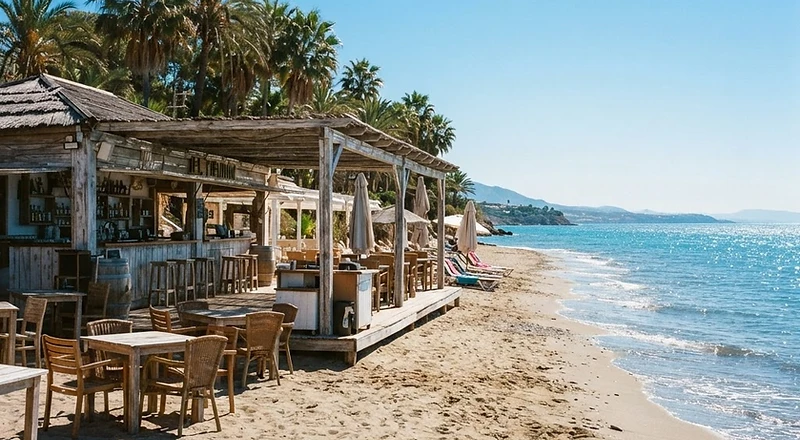
Walk along almost any stretch of sand between Marbella and Nerja and the chances are you'll pass a chiringuito that has been serving fried fish and cold beer to the same families for thirty or forty years. These beach bars are as much a part of the Costa del Sol's identity as the coastline itself, yet provincial representatives and coastal business operators have now formally asked environmental authorities to overhaul the rules that govern how they operate. The joint appeal, lodged this month, calls for greater legal certainty and more pragmatic concession renewals as dozens of traditional seaside establishments run up against administrative barriers imposed under national coastal law.
The frustration has been building for years. Spain's coastal legislation, the Ley de Costas, treats the public maritime-terrestrial zone as a protected strip where permanent construction is heavily restricted. For beach bar owners who have invested decades into businesses their grandparents started, being classified in the same bracket as a temporary summer kiosk feels increasingly out of step with reality.
Concession limits squeeze family establishments
The rules themselves are specific and, operators say, increasingly unworkable. Establishments on natural, undeveloped beach stretches face a strict 70-square-metre ceiling, of which only 20 square metres can be enclosed. Everything beyond that has to be built from temporary, seasonal materials capable of being dismantled outside the summer months. In practice, that means no permanent roofing, no solid kitchen extensions and no structural upgrades that might otherwise make a business viable across twelve months rather than four.
Operators argue this makes it almost impossible to retain staff through the winter, invest in modern kitchen equipment, or carry out the kind of capital improvements that any hospitality business needs to stay competitive. Dismantling and rebuilding sections of a restaurant every season is costly and disruptive, and it discourages the kind of long-term investment that would otherwise improve standards for visitors.
The numbers at stake are not trivial. Málaga province accounts for nearly half of all beach bars operating across the whole of Andalusia, a subsector that industry representatives say supports around 20,000 jobs, directly and indirectly, from cooks and waiting staff to suppliers and seasonal cleaning crews. For many coastal towns, these businesses are not a tourist add-on but a core part of the local economy, employing residents who might otherwise struggle to find winter work.
Balancing coastal preservation with economic viability
Provincial tourism leaders have stepped into the dispute, arguing that environmental protection and employment needs do not have to be mutually exclusive. Regional authorities continue to stress the importance of safeguarding dunes and fragile coastal ecosystems, but business representatives counter that lumping long-established beachfront restaurants together with genuinely sensitive, undeveloped coastal land ignores decades of difference in how these sites have actually been used.
For homeowners, expats and regular visitors along the coast, the practical stakes are fairly direct. Beach bars are often the anchor of daily life in summer, the place where residents of nearby urbanisations and holiday apartments gather for lunch, and where much of the Costa del Sol's reputation for relaxed coastal dining is built. Prolonged uncertainty over licensing could mean fewer improvements to facilities, patchier opening hours outside peak season, or in the worst cases, closures of businesses that have operated responsibly for generations.
What operators are asking for is relatively modest in scope: multi-year concession guarantees instead of short-term renewals, and planning categories that distinguish between well-established urban beach promenades, such as those found along Marbella's and Fuengirola's seafronts, and genuinely untouched coastal park areas where stricter rules clearly make sense.
What happens next
Town halls across the coast are now preparing coordinated legal proposals to put before regional ministries over the coming weeks. The aim, according to those involved, is to secure binding guidelines before planning begins in earnest for the 2027 tourism season, giving operators enough lead time to invest with confidence rather than scrambling each spring to meet shifting interpretations of the rules. Whether Madrid and the regional government can agree a workable compromise before then remains to be seen, but for an industry employing tens of thousands of people along this stretch of coastline, the clock is already running.
Related news


Álora Celebrates Historic Culinary Legacy with Annual Perotas Soup Festivities
Álora marks the historic tradition of its agricultural harvest dish as culinary lovers gather in the Guadalhorce Valley for the iconic Perotas Soup Day.


Yunquera Fair Launches Autumn Festivities with Deep Mountain Cultural Traditions
Yunquera enters its autumn celebrations this week, drawing visitors into the dramatic Sierra de las Nieves with folk music, religious processions and mountain hospitality.

Costa del Sol Hospitality Leaders Contest Rigid Coastal Environmental Rules
Beach restaurant operators and chiringuito federations across the coast launch talks with authorities to modernise restrictive coastal concession regulations.