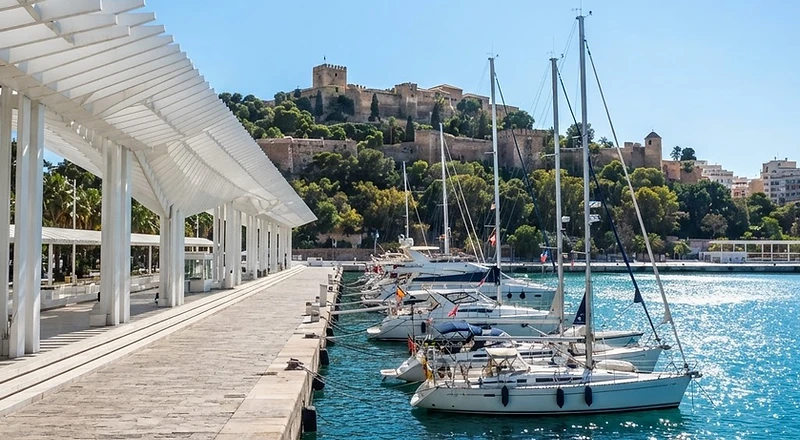
Costa del Sol Fast-Tracks €30 Million Port Expansion to Fuel Coastal Sea Links
A multi-million port development programme is accelerating maritime transit upgrades and luxury eco-docking across the Malaga and Western Costa del Sol coastline.
Diggers and barges are already working the waterline along the western Costa del Sol, as port authorities push through a €30 million infrastructure investment aimed at overhauling maritime links and superyacht berths before the decade is out. The scale of the works marks one of the more significant capital injections into regional port capacity in recent years.
Modernising Key Maritime Terminals
The programme covers passenger terminals, transit basins and commercial docking piers that have seen steady but piecemeal upgrades over the past three years. Port administrators confirmed this week that spending will accelerate sharply over the next 24 months, a response to capacity constraints that have been building as vessel numbers and size classes both increase.
Much of the money will go on practical, unglamorous but necessary kit: automated eco-refuelling stations, reinforced pontoon networks and shore-to-ship electricity connections that let docked vessels switch off their auxiliary engines rather than idling and polluting berthside air. Dredging crews are also deepening access channels and shoring up structural walls to cope with both premium private cruising yachts and the high-frequency coastal catamarans that shuttle passengers along the coast in summer.
For port engineers, this is less a cosmetic refresh than a pivot towards compliance. Mediterranean harbours now operate under tighter environmental rules, and vessel owners increasingly expect ports to offer the clean-power infrastructure that lets them meet those standards without cutting short their stay.
Boosting the Western Coastal Economy
The works are not confined to the water. Civil engineering teams are coordinating with municipal planners in Malaga and neighbouring resort towns to rework the promenades that link docking areas to town centres. New pedestrian concourses, digital check-in points for passengers and direct walking routes between berths and main coastal avenues are all part of the brief.
For shopkeepers, restaurateurs and hoteliers in the surrounding districts, that connectivity matters more than the dredging. A marina that moves people efficiently from boat to boulevard tends to spread spending beyond the immediate dockside, and local business groups are hoping the upgrades extend footfall into the shoulder seasons either side of the traditional July and August rush.
Regional trade representatives argue that this kind of maritime investment pays back disproportionately well, pulling visitors with disposable income straight into historic quarters and dining districts rather than leaving them stranded at the water's edge. Property specialists make a similar case from a different angle: waterfront values on the Costa del Sol have historically firmed up whenever marinas receive coordinated public investment, a trend tracked closely by agencies such as Marbella New Homes, which monitors how infrastructure spending feeds through into coastal property demand.
Timetable and Regional Benefits
The heavier engineering work is starting on the outer retaining dykes, the structures that take the brunt of winter swells, before contractors move inward to replace ageing floating walkways that have been patched rather than renewed for years. Port management says the phasing has been designed deliberately to avoid shutting down routine sailing club activity or disrupting daily maritime traffic during the works.
The target is for the initial basin upgrades to be finished ahead of the 2027 summer nautical season, giving charter operators, marina tenants and sailing clubs a clear runway to plan around. That timeline also gives local authorities a fixed point to measure progress against, something residents who have watched previous infrastructure projects slip for years will likely welcome.
If the schedule holds, the practical upshot for residents and regular visitors should be straightforward: cleaner air around the marinas, fewer idling engines, better pedestrian links into town, and berths capable of handling the larger private vessels that increasingly call at Costa del Sol ports. For homeowners and prospective buyers along the coast, the project adds another data point to an already strong case for waterfront and near-port property, reinforcing the Costa del Sol's position as one of the Mediterranean's more serious destinations for private leisure boating.
Related news

Golden Visa Spain 2026: Status and the Alternatives Now
Golden Visa Spain closed on 3 April 2025. What existing holders keep, and the 2026 alternatives: the non-lucrative visa at 28,800 euros a year and the digital nomad visa.


Empadronamiento Spain: How to Register on the Costa del Sol
Empadronamiento on the Costa del Sol: the documents you need, how to book appointments in Marbella, Fuengirola, Mijas and Estepona, and the two-year renewal rule.


Non-Resident Tax Spain: Modelo 210 Deadlines for 2027
Non-resident tax in Spain explained: how Modelo 210 works for Costa del Sol property owners, who pays 19 or 24 percent, and what Orden HAC/623/2026 changed about the deadlines for 2026 and 2027.
Free Guide: Buying Property in Spain 2026
A step-by-step guide for international buyers — from NIE to the notary.
We'll send you the guide link by email too. No spam — your details stay with Marbella New Homes.