Costa del Sol Mayors Push to Remove AP-7 Motorway Tolls
Coastal town halls confront central authorities over daily A-7 gridlock, urging immediate toll-free transit and rapid transit funding.
A United Front Against Gridlock
Commuters across the province are facing an unprecedented transport crisis that has forced municipal leaders to abandon traditional diplomacy in favour of a collective ultimatum. Mayors representing the length of the coast have joined forces this week to demand that the central government in Madrid finally address the chronic congestion strangling the region. The primary targets of their frustration are the rigid pricing of the AP-7 motorway and the continued delays in infrastructure spending that have left the current coastal road network unable to cope with modern traffic demands.
Peak-Hour Traffic Paralysis
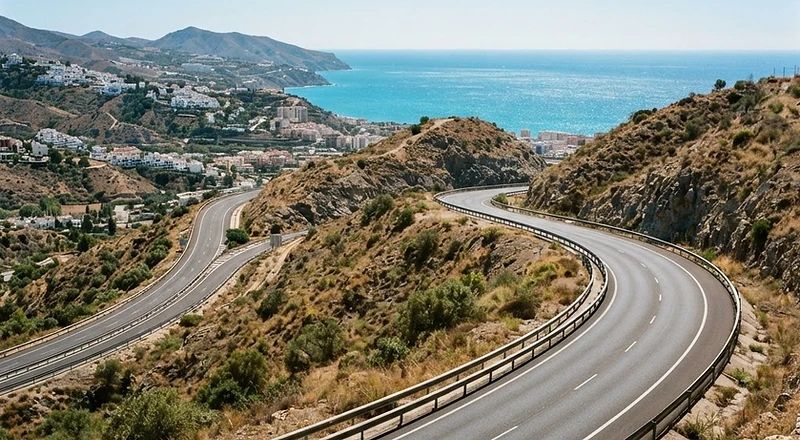
Daily life for residents navigating the A-7 motorway between Torremolinos, Fuengirola, and Marbella has become an exercise in endurance. During the morning rush, queues routinely extend for ten kilometres, turning short journeys into hour-long slogs. Minor accidents on these heavily trafficked sections trigger cascading delays that effectively lock down the entire corridor for hours, crippling commercial logistics and delaying thousands of workers. The scale of the problem is clear from the data; the volume of traffic along the Torremolinos-Guadalhorce corridor now consistently hits 125,000 vehicles daily. Infrastructure built during a previous era is being pushed well beyond its designed capacity, leaving local authorities to manage the fallout of a transport system at its breaking point.
Local councils maintain that a practical solution exists immediately to the north: the underutilised AP-7 toll road. By opening this route to residents and daily commuters without the current financial penalty, the government could immediately relieve pressure on the municipal bypasses that currently serve as the only viable route for the majority of the working population. For those looking for long-term solutions, industry experts like Marbella New Homes often highlight how these persistent infrastructure challenges are increasingly shaping where families choose to put down roots as they prioritise proximity to major transit arteries.
Stalled Works and Viaduct Schemes
Beyond the immediate need for toll relief, local governments are calling for accountability regarding promised capital projects. A major €190 million motorway expansion plan, which includes the construction of a critical viaduct spanning the Guadalhorce river, remains paralysed. These works have been caught in a cycle of environmental review processes for over a year, leaving local leaders questioning the speed at which central departments process development in the south. This region functions as one of the primary economic engines for the country, yet it continues to operate on a road network that has not seen significant expansion for decades.
Economic output is directly linked to the fluidity of these transport links, yet administrative bottlenecks continue to delay essential capacity increases. Mayors argue that they can no longer justify the lack of progress to their constituents, especially when tax revenues generated by the local economy are not being reinvested into the physical infrastructure required to sustain growth.
Strategic Planning and Commuter Advice
While formal representations are being prepared for the Ministry of Transport, residents should expect little immediate relief on the asphalt. The Fuengirola-Mijas corridor remains the most significant pain point for local traffic, with entry points into Málaga capital consistently experiencing total saturation during the morning peaks. Traffic authorities have issued a stark warning to those heading toward Málaga Airport: adjust your departure times to allow for at least an extra 45 minutes on the road, particularly on weekdays.
For those who can avoid the motorway, local rail options remain the most viable alternative. Utilising Renfe Cercanías connections from hubs such as Fuengirola and Benalmádena may offer some protection against the unpredictable nature of road accidents and volume-related delays. As the dialogue between municipal leaders and central authorities intensifies, the regional government is under increasing pressure to demonstrate that it can finally deliver the infrastructure improvements that have been requested for years.
Related news


Álora Celebrates Historic Culinary Legacy with Annual Perotas Soup Festivities
Álora marks the historic tradition of its agricultural harvest dish as culinary lovers gather in the Guadalhorce Valley for the iconic Perotas Soup Day.


Yunquera Fair Launches Autumn Festivities with Deep Mountain Cultural Traditions
Yunquera enters its autumn celebrations this week, drawing visitors into the dramatic Sierra de las Nieves with folk music, religious processions and mountain hospitality.


Costa del Sol Hospitality Leaders Contest Rigid Coastal Environmental Rules
Beach restaurant operators and chiringuito federations across the coast launch talks with authorities to modernise restrictive coastal concession regulations.