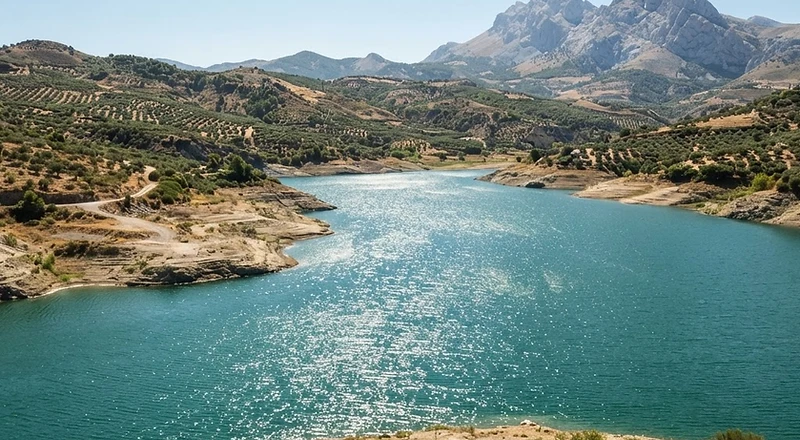
Costa del Sol Reservoirs Hit 80% Capacity After Summer Rains
Key reservoirs across the province of Málaga have climbed to an average of 80% capacity, significantly easing regional drought worries.
Water supplies across the coast have received an extraordinary boost, with key reservoirs servicing the region now standing at an average of 80% of capacity as of late September. Following years of severe drought alerts, rigorous water management protocols, and nighttime pressure reductions across coastal municipalities, the latest figures mark an encouraging turning point for residents and hospitality businesses heading into the autumn months.
Long-Term Drought Worries Eased
Regional monitoring stations recorded consistent reserve stability throughout the peak holiday season, defying earlier seasonal projections that anticipated critical depletion by early autumn. The rebound of the Costa del Sol water supply brings welcome reassurance to towns between Manilva and Nerja that previously faced stringent limits on private pool refilling, garden watering, and beach shower usage. Municipal water authorities are now assessing whether to permanently roll back emergency operational thresholds ahead of the winter season.
What This Means for Residents and Homeowners
For residential urbanisations and property owners, the elevated reservoir levels mean planned restrictions are effectively paused. Communities that implemented water conservation measures over the spring are being advised to keep sustainable irrigation practices in place, though the immediate risk of scheduled domestic cuts has completely receded. Town halls across Málaga province have confirmed that public fountains and municipal parks will maintain regular maintenance routines without emergency supply caps.
Sustainable Infrastructure Still on Track
Despite the positive readings, provincial water planning officials stress that ongoing investment in desalination facilities, reclaimed wastewater networks, and pipeline modernisation will continue at full pace. The aim remains to safeguard the western coastline against future dry spells and build lasting hydrological resilience for growing resident populations.
Related news


Cost of Living on the Costa del Sol: A Real Monthly Budget
Cost of living on the Costa del Sol in 2026: real rents town by town, electricity, water and internet bills, menu del dia prices and sample monthly budgets for singles, couples and owners.


Malaga to Marbella Bus Guide: Fares, Timetables and Routes
Malaga to Marbella bus guide: the L-307 express, the coastal M-320 and the airport coach from Terminal 3, with 2026 zone fares from 6.25 euros cash or 3.07 with the consortium card.


NIE Number in Spain: The Complete Non-Resident Guide to Bank, Mortgage and Will
NIE number in Spain explained end to end for non-residents: how to apply, what banks want for an account, how a 60 to 70 percent mortgage works, and why a Spanish will and inheritance tax belong on the same list.
Free Guide: Buying Property in Spain 2026
A step-by-step guide for international buyers — from NIE to the notary.
We'll send you the guide link by email too. No spam — your details stay with Marbella New Homes.