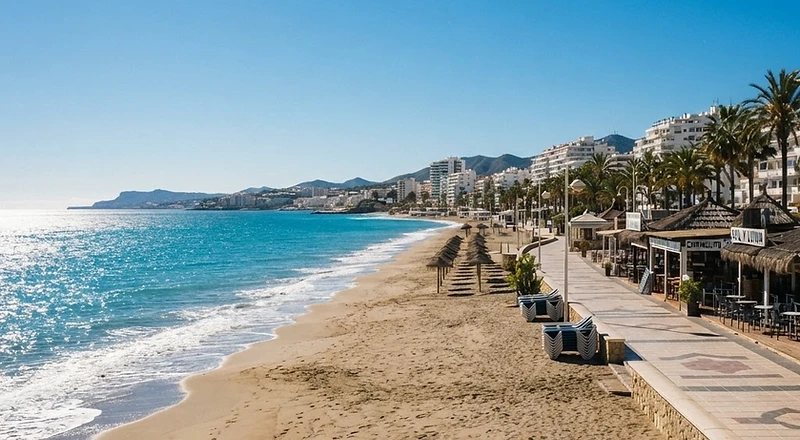
Costa del Sol Sees Autumn Domestic Tourism Rebound
Spanish holidaymakers drive strong tourism activity across Málaga province, with national overnight stays outpacing international growth.
National Visitors Reclaim the Coastline
Spanish holidaymakers are back on the Costa del Sol in numbers not seen for several seasons. Provincial tourism indicators published this week show overnight stays by domestic visitors rose by 12.3% in recent months, a rate of growth three times higher than that recorded among overseas arrivals. For an industry still calibrating its recovery from a subdued previous year, when national bookings fell away across southern resorts, the rebound marks a meaningful shift in the make-up of who is actually filling rooms along this stretch of coast.
The pattern is not confined to one type of accommodation or one town. Figures point to growth across the board, from the small boutique hotels tucked into the hills around Casares and Mijas to the beachfront serviced apartments and campsite complexes that cluster around Torremolinos and Fuengirola. These inland and coastal towns have long depended on a mix of British, Northern European and Spanish visitors, and the renewed presence of domestic travellers is changing the texture of trade in each of them, even if the headline hotel occupancy numbers look similar to recent years.
Local hospitality associations argue that Spanish visitors bring a different kind of economic value to the coast than many international package travellers. Where all-inclusive guests often remain within resort complexes for the duration of their stay, domestic tourists tend to spend more widely: in neighbourhood bars, in traditional chiringuitos along the beachfronts, and in family-run shops and restaurants away from the main hotel strips. That spending pattern matters to small business owners who rely on footfall outside the immediate tourist zones, and it helps explain why the return of national demand is being welcomed so openly by trade groups across the province.
Shifting Away From Summer-Only Tourism
Provincial tourism authorities have responded by increasing autumn domestic promotion budgets by 20%, a move aimed squarely at breaking the long-standing cycle in which the Costa del Sol fills up in July and August and empties out once the school term resumes. The campaign leans on bank holiday weekends, regional gastronomy routes through towns known for their local produce, and cultural breaks designed to carry visitor volumes through October and into November.
The early results are encouraging for an industry that has spent years trying to stretch its season. Average hotel occupancy along the coastal corridor held close to 90% into late September, helped by mild autumn weather and a calendar of cultural events that gave visitors a reason to come beyond the beach alone. For an area whose tourism economy has traditionally lived and died by the summer sun, that kind of late-season occupancy is not trivial. It also has a direct bearing on employment: hospitality businesses that can maintain footfall into autumn are far better placed to keep seasonal staff on payroll rather than laying them off once the peak months end.
Year-Round Revenue for Hospitality
For hotel owners, restaurateurs and letting agents working across the Costa del Sol, the resurgence of domestic demand offers something that pure reliance on international markets cannot: a buffer against the volatility of foreign flight schedules and currency swings that can knock overseas arrivals off course with little warning. A guest driving down from Madrid or Seville for a long weekend is not affected by a cancelled route from a regional UK airport or a weak pound against the euro.
That diversification is particularly relevant for the string of towns and white villages that depend on weekend getaway traffic rather than week-long international stays. With domestic travellers increasingly choosing short breaks in these inland and coastal spots, hospitality associations are already forecasting that 2026 could close as one of the most balanced tourism years the region has recorded, with growth spread more evenly across nationalities, seasons and accommodation types rather than concentrated in a handful of peak summer weeks.
For residents and second-home owners along the coast, the practical upshot is likely to be a longer working season for local businesses, more consistent trade for bars and shops outside the summer months, and, potentially, a steadier rental market for those who let out properties to domestic as well as international visitors throughout the autumn and into the shoulder season.
Related news

Álora Celebrates Historic Culinary Legacy with Annual Perotas Soup Festivities
Álora marks the historic tradition of its agricultural harvest dish as culinary lovers gather in the Guadalhorce Valley for the iconic Perotas Soup Day.

Yunquera Fair Launches Autumn Festivities with Deep Mountain Cultural Traditions
Yunquera enters its autumn celebrations this week, drawing visitors into the dramatic Sierra de las Nieves with folk music, religious processions and mountain hospitality.

Costa del Sol Hospitality Leaders Contest Rigid Coastal Environmental Rules
Beach restaurant operators and chiringuito federations across the coast launch talks with authorities to modernise restrictive coastal concession regulations.