Estepona Fast-Tracks Urban Infrastructure as Off-Plan Residential Demand Climbs
A surge in off-plan residential developments across Estepona is driving municipal upgrades to roads, promenades and utilities.
A Coastal Town Under Construction
Drive along the Estepona bypass on any weekday morning and the evidence is hard to miss: tower cranes rising above half-built apartment blocks, lorries queuing at site entrances, and billboards advertising show homes that don't yet exist. The town, long overshadowed by its glitzier neighbour Marbella, has become the busiest construction corridor on the western Costa del Sol. With land in central Marbella increasingly scarce and prices pushing many buyers out of reach, developers have shifted their focus eastward and northward into Estepona's expanding residential belt.
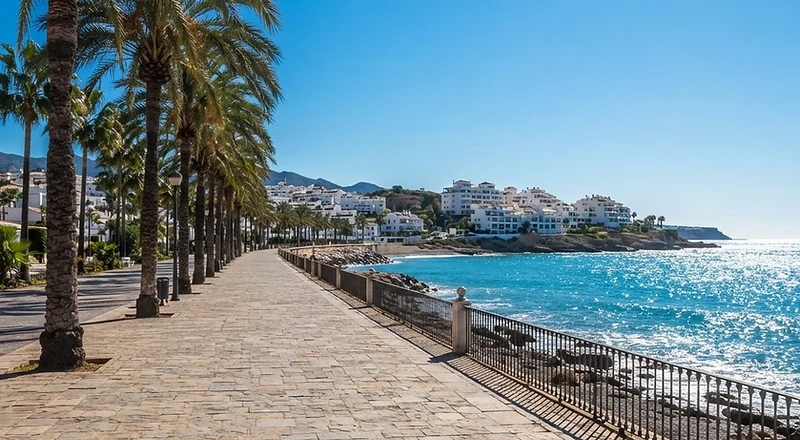
This is not a new story for the town, but the pace has quickened noticeably over the past year. Estepona has spent the last decade reinventing its image, transforming from a quiet agricultural and fishing community into one of the region's most consistently landscaped municipalities, with flower-draped streets and a steadily lengthening seafront walkway. That groundwork, literal and administrative, appears to be paying off in the form of sustained developer interest.
Planning Approvals and Municipal Expansion
Town hall officials have streamlined the administrative process for building permits, a move that has allowed master-planned communities to break ground more quickly across areas stretching towards the Sierra Bermeja foothills and along the coastal strip. Mayor José María García Urbano, now well into a long tenure overseeing the town's redevelopment, has made a point of tying private residential growth to public infrastructure spending — new road links, upgraded municipal services, and continued work on the 15-kilometre seaside promenade that has become one of Estepona's signature selling points for both residents and visitors.
For homeowners already settled in the town, this matters practically. Faster permitting means construction phases nearby may move through more quickly than in previous years, which can mean short-term disruption but potentially faster resolution of roadworks and service upgrades that accompany new developments. For prospective buyers, it signals that the municipality is treating this wave of building as a long-term strategic priority rather than a short-lived cycle.
Off-plan purchases have picked up noticeably among foreign buyers and British expats drawn to energy-efficient new builds with staged payment plans running through 2027 and 2028. Early launch allocations in several projects are reportedly moving fast. Specialists at Marbella New Homes report that buyers comparing options increasingly favour Estepona's newer complexes, citing larger interior layouts and more current architectural standards than much of the resale stock available elsewhere on the coast.
Safeguards for Off-Plan Investors
Buying into a development before a single brick is laid carries risk, and property analysts are keen to stress that enthusiasm shouldn't outpace due diligence. Anyone committing to a stage-payment contract should confirm that a bank guarantee, or aval bancario, is in place to protect deposits against construction delays or a developer running into financing trouble mid-project.
Legal advisers working across the Costa del Sol also recommend checking that the town hall has issued the final building licence, the licencia de obras, along with confirmed infrastructure connection agreements, before signing any binding private contract. These checks are not bureaucratic formalities; they are the difference between a protected deposit and a costly legal dispute if a project stalls. For British buyers in particular, navigating Spanish property law from abroad makes independent legal representation, rather than relying solely on a developer's paperwork, a sensible precaution.
Infrastructure Pressures and Secondary Towns
The scale of residential expansion is reshaping the wider Costa del Sol property market beyond Estepona's own boundaries. As newer, higher-density apartment sectors fill up, the municipality faces the familiar growing pains of any fast-expanding town: secondary road access needs widening, water management systems require scaling, and school capacity has to keep pace with an influx of young families.
With buyer demand showing no sign of cooling this autumn, planners are reviewing zoning for upcoming parcels, trying to strike a balance between preserving green space and meeting what remains a relentless appetite for modern housing. How that balance is struck over the coming months will likely determine whether Estepona's current building boom becomes a model for managed coastal growth, or simply the latest chapter in the Costa del Sol's long relationship with construction cranes.
Related news

Estepona Advances Coastal Infrastructure and Connectivity with Port Promenade Link
Estepona begins the final structural connection linking its western marina district to the coastal corridor, expanding car-free sea-view walkways for residents.

AP-7 Shooting Near Estepona Triggers High-Level Police Investigation
Spanish authorities launch a manhunt following a daylight firearm incident involving moving vehicles along the western motorway corridor.

Police Launch Investigation After AP-7 Highway Drive-By Shooting Near Estepona
National Police and Guardia Civil have launched an inquiry after shots were fired from a moving vehicle on the AP-7 toll motorway near Estepona.