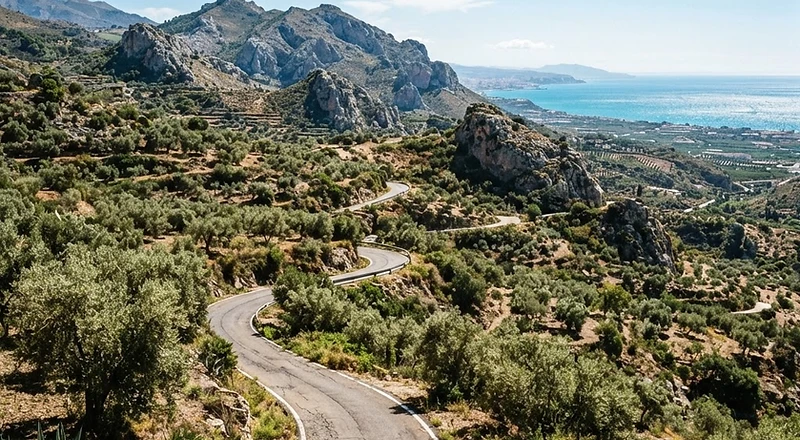
Malaga Invests €5.2m to Upgrade Vital Interior Road Network
A major infrastructure package will modernise secondary road links connecting coastal hubs to the inland mountain towns of Coín, Alhaurín and Igualeja.
€5.2 Million Approved for Costa del Sol's Interior Roads
Diggers and resurfacing crews are set to move onto some of the province's most travelled secondary roads after the Diputación de Málaga formally approved €5.2 million in funding to repair and reinforce routes linking the coast with inland towns. The money forms part of the Vía-ble road programme, a rolling provincial scheme that targets the network of smaller roads carrying commuters, farmers and tourists between the Mediterranean strip and the valleys and hills behind it.
Five municipalities sit at the centre of this latest tranche of work: Alhaurín el Grande, Coín, Igualeja, Teba and Vélez-Málaga. Each has stretches of road that engineers have flagged as structurally compromised, and each depends heavily on these connections for daily life, whether that means getting produce to market or getting children to school on the coast.
Why These Roads Matter So Much
Anyone who has driven the bends between Coín and the AP-7 during rush hour knows how much traffic these secondary roads now absorb. Rising property prices along the coastline have pushed a growing number of workers, including many international residents, to buy or rent further inland, in towns such as Alhaurín el Grande and Coín, where housing remains comparatively affordable. The result is a daily flow of cross-border commuters using roads that were never designed for this volume of traffic.
Several consecutive winters of heavy rainfall have not helped matters. Mountain stretches near Igualeja and Teba have suffered from unstable verges, cracked surfaces and drainage systems that simply cannot cope with sudden downpours. Locals living along these routes have grown used to potholes reappearing within weeks of temporary patch-up jobs, a familiar frustration for anyone who relies on these roads to reach the coast for work, healthcare or shopping.
What the Investment Will Actually Fix
The €5.2 million package is not a cosmetic resurfacing exercise. It covers structural work: rebuilding road bases in areas where subsidence has occurred, widening some of the tighter bends that have long been accident blackspots, and installing updated crash barriers along exposed mountain sections. Slope stabilisation is also part of the brief, addressing the loose verges and minor landslips that have plagued routes near Teba and Igualeja after wet winters.
Municipal engineers have already carried out site inspections across the affected stretches, and the province says resurfacing and stabilisation work will roll out in phased stages over the coming weeks. Prioritisation appears to sit with the busiest arteries, the roads connecting Coín and Alhaurín el Grande to the coastal corridors, given the volume of traffic they now carry compared with a decade ago.
Practical Impact for Residents and Visitors
For homeowners and expats settled in the interior towns around Alhaurín el Grande and Coín, better road surfaces mean shorter, safer commutes and fewer repair bills from suspension damage caused by potholed tarmac. For those considering a move inland, whether to escape summer crowds or to find better value for money, this kind of infrastructure investment is a reassuring signal that connectivity with the coast is being taken seriously rather than left to deteriorate. Buyers researching the wider market, including through resources such as Marbella New Homes, often weigh exactly this sort of practical detail, road quality, commute times, drainage reliability, when comparing coastal versus inland properties.
Visitors are not an afterthought either. Autumn agritourism around villages like Teba, along with the cycling routes that draw increasing numbers of enthusiasts to the hills behind Vélez-Málaga, depends on roads that are safe to navigate in both directions, on two wheels or four. Local markets and small producers in these inland towns also rely on reliable transport links to move goods towards coastal outlets and hospitality businesses.
Looking Towards Winter
Provincial officials have framed the timing deliberately, aiming to complete the bulk of resurfacing and slope work before the next round of heavy winter rain arrives. Given the recurring pattern of storm damage in recent years, getting ahead of the weather rather than reacting to it afterwards marks a shift in approach. Residents along the affected corridors should expect rolling works and possible short delays over the coming weeks, a modest inconvenience against the promise of sturdier, safer roads linking the Costa del Sol's coastal towns with its interior for years to come.
Related news


Hollywood Stars Gather in Málaga as Major Comic Showcase Continues
Anthony Mackie, David Harbour and Winston Duke have touched down on the Costa del Sol for major international film panels and fan events.

Málaga Airport Commences New Terminal Infrastructure Works
Construction crews initiate extensive foundational infrastructure upgrades across Málaga-Costa del Sol Airport ahead of peak winter schedules.


Hollywood Stars Touch Down in Málaga for Global Pop Culture Convention
Marvel stars Anthony Mackie, David Harbour and Winston Duke draw international crowds to Málaga for a blockbuster autumn entertainment showcase.