
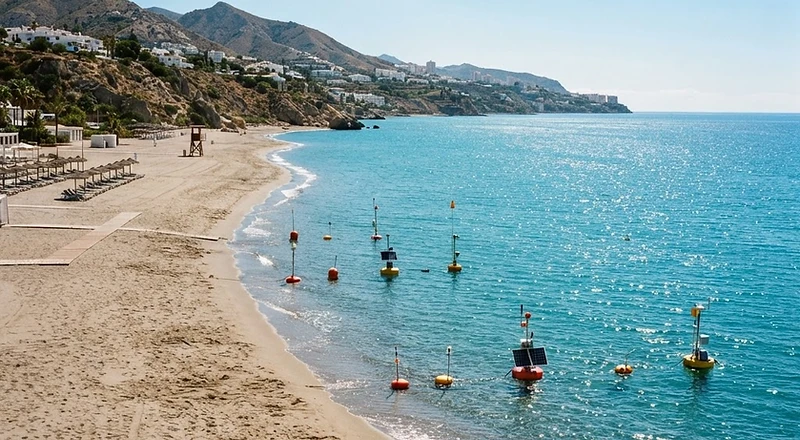
Malaga Launches Water Watchdog After Beach Contamination
Malaga province establishes a new monitoring committee to safeguard coastal water supplies and resolve beach contamination. Read the full report.
Malaga's provincial government has set up a dedicated coastal water watchdog after a string of bathing water quality scares forced the temporary closure of several beaches along the western and central Costa del Sol during the late-summer peak. The new body held its first technical working sessions this week and has committed to formal review meetings every two months going forward.
The move comes after a difficult end to the season for beach authorities. Bacterial readings spiked at coves between Fuengirola and Malaga city in late August, forcing environmental health inspectors to rope off stretches of coastline at the height of the tourist rush — hardly ideal timing for a region whose economy leans so heavily on summer visitors returning year after year to the same stretches of sand.
Tackling Runoff and Treatment Gaps
The watchdog brings together maritime engineers, regional water basin directors and representatives from coastal town halls, with a clear brief: work out why these bacterial spikes keep happening and close the gaps for good. Early findings point to untreated stormwater discharges and cracked pipelines, both made worse by sudden thermal shifts that put unusual strain on ageing infrastructure.
Engineering teams are now working through subsea outfalls and pumping stations municipality by municipality. The first job is identifying old network junctions that simply cannot cope when seasonal populations swell along the coast. When treatment plants reach capacity, emergency bypass systems kick in — and that means untreated overflow finding its way into dry riverbeds and, eventually, the shallows where people swim. It is an unglamorous but urgent piece of detective work, given how much of the coast's plumbing dates back decades, long before current visitor numbers were ever anticipated.
Protecting Coastal Infrastructure
The watchdog's remit stretches well beyond quick bacterial testing. It is also tasked with safeguarding the broader Costa del Sol water supply at a time when reservoirs are still operating under water-saving restrictions following several years of unpredictable rainfall. Clean coastal water and secure water supply are, in practice, two sides of the same problem: both depend on infrastructure that has been under pressure for years and both carry direct consequences for public health and the tourism income the region relies on.
One of the more significant practical changes is on the planning side. Urban planning departments will now need infrastructure certification from the watchdog before signing off residential connections on newly urbanised plots near river mouths. This should, in theory, stop new housing developments adding further strain to secondary treatment works that are already stretched during peak season — a real concern in a region where construction near the coast shows little sign of slowing. For homeowners and developers involved in projects close to river mouths, this adds an extra approval stage worth factoring into timelines from the outset. Anyone weighing up a coastal property purchase or a new build in these zones would do well to ask early about certification status; buyers working with agencies such as Marbella New Homes may find it useful to raise the point directly with developers before committing.
Next Steps for Coastal Communities
From now on, daily water sampling results will be published on an open provincial dashboard, giving residents, hoteliers and holidaymakers a way to check bacterial levels at their local beach in something close to real time. For expats and second-home owners who have grown used to word-of-mouth beach closures circulating on local forums, this should offer a more reliable, official source of information.
Municipalities that fail to meet European environmental thresholds will face administrative penalties, alongside a requirement to ringfence capital spending for drainage upgrades before the next high season begins. That deadline effectively sets the clock running: local councils along the affected stretch of coast now have a single tourist season to show measurable improvement, with the new dashboard providing an easy way for anyone — resident, visitor or journalist — to check whether that promise is being kept.
Related news


Álora Celebrates Historic Culinary Legacy with Annual Perotas Soup Festivities
Álora marks the historic tradition of its agricultural harvest dish as culinary lovers gather in the Guadalhorce Valley for the iconic Perotas Soup Day.

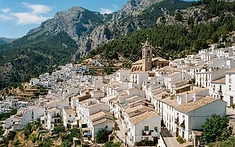
Yunquera Fair Launches Autumn Festivities with Deep Mountain Cultural Traditions
Yunquera enters its autumn celebrations this week, drawing visitors into the dramatic Sierra de las Nieves with folk music, religious processions and mountain hospitality.

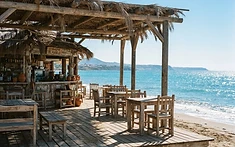
Costa del Sol Hospitality Leaders Contest Rigid Coastal Environmental Rules
Beach restaurant operators and chiringuito federations across the coast launch talks with authorities to modernise restrictive coastal concession regulations.