Malaga Protests Demand Affordable Housing Solutions
Thousands gathered in central Malaga on Monday to demand urgent public action against spiralling rental costs and housing shortages.
Thousands March Through Malaga's Old Town
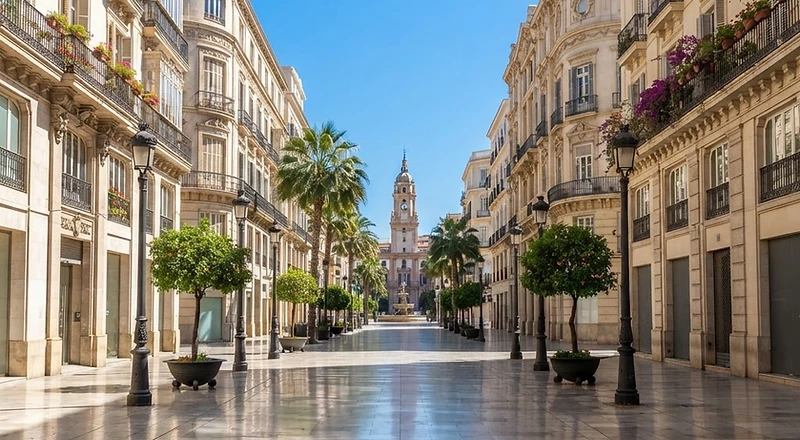
Several thousand people filled Malaga's historic pedestrian streets on Monday evening, 28 September, in one of the largest housing protests the city has seen in years. What began as a steady stream of demonstrators outside the cathedral swelled into a moving chorus of chants and banners as the crowd pushed through Calle Larios, the city's main shopping thoroughfare, before massing outside the offices of the municipal and regional government delegations.
The scene was notable less for confrontation than for the breadth of people involved. Hospitality staff still in their work uniforms marched alongside university students, pensioners and long-term foreign residents who have lived in the city for decades. Banners called for rent caps, tighter licensing rules for holiday apartments, and a rapid expansion of social housing stock — demands that have circulated in Malaga's political discourse for months but rarely drawn crowds of this size onto the streets.
A Housing Market Under Strain
The numbers behind the anger are stark. Malaga province has absorbed more than 70,000 new registered residents over the past three years, a pace of population growth that has far outstripped the construction of new housing. The result has been a squeeze on the rental market that has pushed prices in prime zones of the city past €21.50 per square metre, among the highest in Andalucía.
For many families and workers who have rented in the same neighbourhoods for years, the arithmetic no longer adds up. Long-term lease options have thinned out considerably, both in Málaga city itself and in commuter towns that once offered a cheaper alternative for those working in the capital. Landlords converting flats to short-term tourist lets, or simply leaving them empty while values appreciate, have become recurring grievances among protesters — and a frequent talking point at neighbourhood association meetings across the city in recent months.
Two Markets, One City
The pressure on ordinary renters sits awkwardly alongside a very different reality further up the property ladder. Demand for new-build apartments and premium residences along the coast has barely slowed, even as completions of new housing remain limited relative to buyer interest. That scarcity has kept valuations firm, particularly in sought-after coastal locations where international buyers continue to look for off-plan opportunities.
Buyers pursuing security on new developments — and a primary residence rather than a rental investment — often turn to established agencies such as Marbella New Homes, which specialises in helping clients secure high-specification apartments before launch phases sell out. That end of the market shows little correlation with the rental squeeze being felt by local workers, and the gap between the two has become one of the defining tensions of the current housing debate on the coast.
Town halls from Torremolinos to Estepona are increasingly caught between these competing pressures. Planning departments must weigh the commercial benefits of tourism and international investment — both significant contributors to municipal budgets — against the basic housing needs of the workforce that keeps hotels, restaurants and services running through the high season. It is a balancing act with no easy formula, and one that is now playing out publicly rather than behind closed doors.
What Protesters Want Next
Organisers of Monday's demonstration have put a specific set of demands to both the regional government in Seville and the central government in Madrid. These include penalties for landlords who leave properties vacant for extended periods, stricter limits on short-term holiday rentals within residential buildings, and a faster release of public land earmarked for subsidised or affordable construction.
Whether any of these measures make it into concrete legislation remains to be seen, but the political pressure is unlikely to ease soon. With municipal budgets for next year due for approval in the coming months, housing has moved from a background concern to one of the defining issues local politicians will be judged on. For residents, hospitality workers and long-term expats alike, the outcome of that debate will shape whether Malaga remains somewhere they can afford to stay.
Related news


Hollywood Stars Gather in Málaga as Major Comic Showcase Continues
Anthony Mackie, David Harbour and Winston Duke have touched down on the Costa del Sol for major international film panels and fan events.

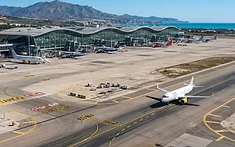
Málaga Airport Commences New Terminal Infrastructure Works
Construction crews initiate extensive foundational infrastructure upgrades across Málaga-Costa del Sol Airport ahead of peak winter schedules.


Hollywood Stars Touch Down in Málaga for Global Pop Culture Convention
Marvel stars Anthony Mackie, David Harbour and Winston Duke draw international crowds to Málaga for a blockbuster autumn entertainment showcase.