Spain Tops European Retirement Index as British Buyers Flock to Costa del Sol
A landmark 2026 index crowns Spain Europe's leading destination for retirees, with the Costa del Sol capturing the lion's share of international home seekers.
Spain Tops European Retirement Index as British Buyers Flock to Costa del Sol
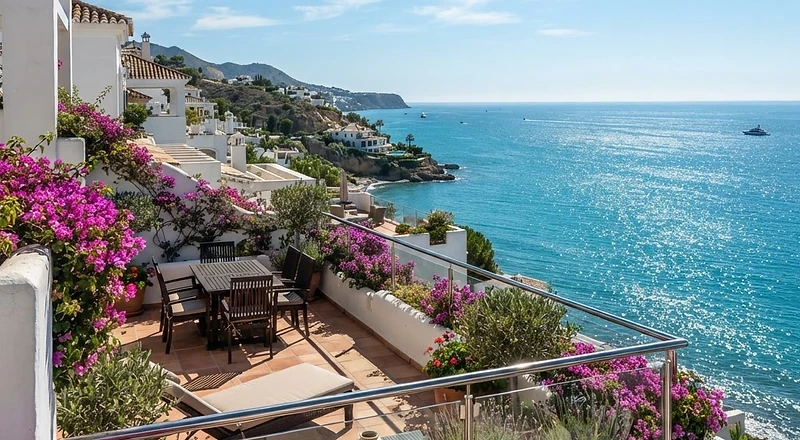
Spain has secured first place in the 2026 European Retirement Index, and the municipalities strung along the Costa del Sol are driving the surge of interest behind that result. For an area long used to welcoming sunseekers, golfers and second-home owners, this latest ranking confirms something estate agents and town halls here have suspected for a while: the coast is becoming a genuine retirement destination in its own right, not just a holiday one.
Healthcare, Lifestyle and Sunshine Drive Top Ranking
The annual index compares European countries on healthcare efficiency, cost of living, personal safety, infrastructure and climate stability. Spain came out ahead of Portugal, France and Italy, scoring particularly well on public health accessibility, flight connectivity and the sort of outdoor, year-round lifestyle that is hard to replicate further north.
That pull is felt most strongly along the stretch between Málaga and Estepona. Retirees who have already made the move consistently point to the same advantages: established English-speaking medical networks, a high concentration of bilingual lawyers, accountants and healthcare staff, and exceptional air links. Málaga-Costa del Sol Airport now connects to a wide spread of UK and northern European regional hubs, meaning grandchildren and visiting family are rarely more than a couple of hours away — a practical consideration that weighs heavily on anyone deciding where to spend their later years.
For existing homeowners on the coast, the ranking is likely to reinforce property values rather than disrupt them. Increased demand from retirees tends to support prices in established expat strongholds, while also putting pressure on healthcare appointment systems and English-language services that are already well used by the resident foreign population.
High Demand for Turnkey Coastal Homes
The interest from abroad has translated into real activity in the housing market. Estate agents report a clear preference among incoming retirees for key-ready, energy-efficient apartments inside gated developments — ideally with communal gardens, a heated pool, and a short drive or walk to the coast. Older buyers, in particular, are prioritising low-maintenance properties over renovation projects, wanting to settle in quickly rather than manage building works from overseas.
Specialist consultants at Marbella New Homes say demand is concentrated in a handful of recognisable areas: low-maintenance homes near golf courses and beachfront promenades in Mijas Costa, Benalmádena and Estepona are proving especially popular. These three municipalities share a similar profile — established expat communities, decent healthcare infrastructure, and a wide enough choice of new-build stock that buyers can be selective about layout, orientation and proximity to amenities.
For anyone currently house-hunting, the practical implication is straightforward: popular developments in these areas are likely to see faster turnover and less room for negotiation as retiree demand continues to build through the winter months.
Navigating Post-Brexit Visa Pathways
British citizens remain the largest single overseas group settling on this coast, despite the added paperwork that came with Brexit. The Non-Lucrative Visa (NLV) continues to be the standard route for retirees who are not working, requiring applicants to demonstrate sufficient passive income and private health cover, while digital nomad permits have opened a parallel path for those still earning remotely. Neither route is quick — processing times and documentation requirements mean most applicants should budget several months from first application to final approval — but both have proved workable enough to keep numbers rising.
Town hall integration offices in Fuengirola and Mijas report a steady autumn flow of registrations, as new arrivals move to formalise residency before winter sets in. This is a familiar seasonal pattern: many retirees prefer to arrive in the cooler months, get paperwork sorted, and be properly settled before the following summer's heat and tourist crowds arrive.
With Spain now formally recognised as Europe's leading retirement destination, local councils are responding in kind. Several municipalities are expanding cultural and language exchange workshops aimed at the growing resident expat population — a practical acknowledgement that integration, not just immigration paperwork, will be the next challenge as the numbers keep climbing. For the Costa del Sol, long associated with sun, golf and second homes, the shift towards permanent retirement living looks set to continue well beyond this year's index.
Related news

Golden Visa Spain 2026: Status and the Alternatives Now
Golden Visa Spain closed on 3 April 2025. What existing holders keep, and the 2026 alternatives: the non-lucrative visa at 28,800 euros a year and the digital nomad visa.


Empadronamiento Spain: How to Register on the Costa del Sol
Empadronamiento on the Costa del Sol: the documents you need, how to book appointments in Marbella, Fuengirola, Mijas and Estepona, and the two-year renewal rule.


Non-Resident Tax Spain: Modelo 210 Deadlines for 2027
Non-resident tax in Spain explained: how Modelo 210 works for Costa del Sol property owners, who pays 19 or 24 percent, and what Orden HAC/623/2026 changed about the deadlines for 2026 and 2027.
Free Guide: Buying Property in Spain 2026
A step-by-step guide for international buyers — from NIE to the notary.
We'll send you the guide link by email too. No spam — your details stay with Marbella New Homes.