
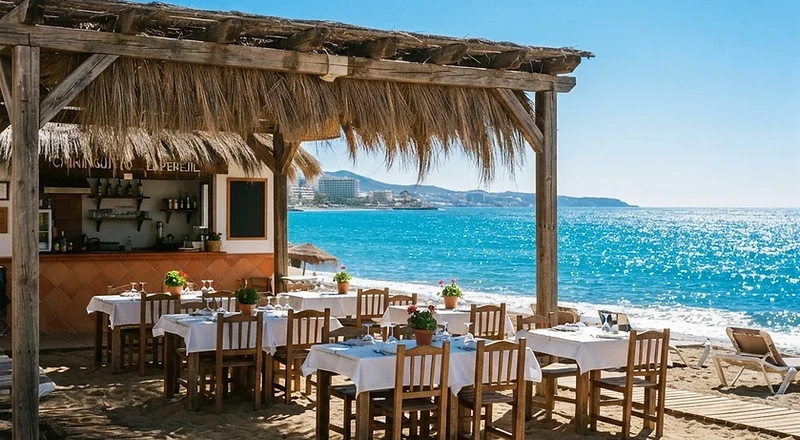
Chiringuito Owners Fight Strict Coastal Demarcation Regulations
Costa del Sol beach bar proprietors launch an urgent campaign against rigid coastal concession rules threatening long-standing seafront establishments.
A Coastline Built on Sand and Paperwork
Walk along almost any beach between Torremolinos and Estepona on a winter afternoon and you'll likely find a chiringuito doing brisk trade — plates of fried boquerones going out, heaters humming, regulars parked at the same table they've occupied for years. That everyday scene is now under threat. Owners of these seafront restaurants have banded together to challenge a tightening of maritime regulations that has left dozens of long-established businesses unsure whether they'll still be trading by next season.
The dispute centres on how strictly Spain's Coastal Law, the Ley de Costas, is being applied to the public maritime-terrestrial domain — the strip of beach and shoreline that technically belongs to the state rather than to any individual or business. Enforcement has always existed, but owners say recent interpretations by coastal management authorities have become far harsher, with inspectors demanding smaller kitchen footprints, the removal of wooden decking that's been in place for years, and shorter concession periods that make it almost impossible to plan ahead.
Why the Rules Are Biting Now
Most chiringuitos along this stretch of coast operate under rolling concessions backed by their local town hall, arrangements that have let family businesses invest in their premises with some degree of confidence. That confidence is evaporating. Shorter licensing terms mean banks are increasingly reluctant to lend money for kitchen refurbishments or structural repairs, since there's no guarantee the business will still hold its permit by the time a loan is repaid. For owners who've spent decades building a reputation — and a loyal clientele of residents, expats and returning holidaymakers — the prospect of losing that security over a matter of square metres or decking materials has prompted genuine alarm.
Representatives from across the hospitality sector met in Marbella in recent days to set up what they're calling an emergency dialogue table with municipal authorities. The aim is straightforward: push for administrative flexibility before a wave of existing permits reach automatic expiration, which would force some operators to close or drastically scale back with little warning.
The Winter Trade at Risk
What makes the Costa del Sol different from Spain's northern coastline is obvious to anyone who's spent a January here — the climate simply allows restaurants to stay open year-round. Chiringuitos on beaches in Galicia or Asturias shut for the winter because nobody's sitting outside in the rain. Here, mild temperatures keep terraces full well into the colder months, which is precisely why hospitality leaders argue the current rules make no sense.
"Treating a licensed establishment on the Costa del Sol the same as a seasonal kiosk in Galicia fundamentally misunderstands our local economy," one Torremolinos business spokesperson told the summit. It's a point with real weight behind it: roughly 4,000 direct hospitality jobs along this coastline depend on these businesses trading through the winter shoulder months, not just the peak summer season. Strip away permanent roofing and enclosed wind breaks, and owners say they'll have no choice but to become five-month pop-ups — a shift that would mean laying off permanent kitchen staff and front-of-house teams, and cutting ties with the local fishermen and suppliers who currently get year-round orders.
Councils Signal Support, Deadline Looms
Municipal backing appears to be building. Councils in Mijas and Fuengirola have both pledged to intervene directly with the regional delegation for sustainability and environmental management based in Seville, recognising that beach clubs and traditional chiringuitos pull in foreign visitors and keep residents spending locally outside the main tourist rush.
The hospitality association's counter-proposal is specific rather than simply defensive. It calls for venues that meet high environmental standards — solar water heating and certified zero-waste ocean filtration systems among them — to be rewarded with 15-year security of tenure, rather than the short-term renewals currently causing so much uncertainty. The logic is that owners willing to invest in genuinely sustainable infrastructure should get long-term stability in return, rather than facing the same annual scramble as everyone else.
A formal, unified petition is due to be lodged with the Junta de Andalucía's coastal commission before the end of the month. For now, owners along the Western Costa del Sol are watching closely, aware that whatever is decided in the coming weeks will shape not just their own businesses but the character of the coastline's beaches for years to come.
Related news

Torremolinos Transforms Plaza de La Nogalera for Traditional Autumn Oktoberfest
Torremolinos blends Bavarian brewing customs with coastal hospitality as the annual Oktoberfest beer festival returns to the town centre this weekend.


Bikers Gather for Torremolinos Autumn Motorbike Rally and Coastal Excursions
Torremolinos prepares to host hundreds of riders from across Europe this weekend for the Concentración Mototurística, featuring mountain rides, exhibitions, and rock concerts.


Torremolinos Welcomes Record Crowds for Patron Saint San Miguel Pilgrimage
Over twenty thousand residents and visitors gathered across central Torremolinos as traditional decorated wagons celebrated the historic Romería de San Miguel.