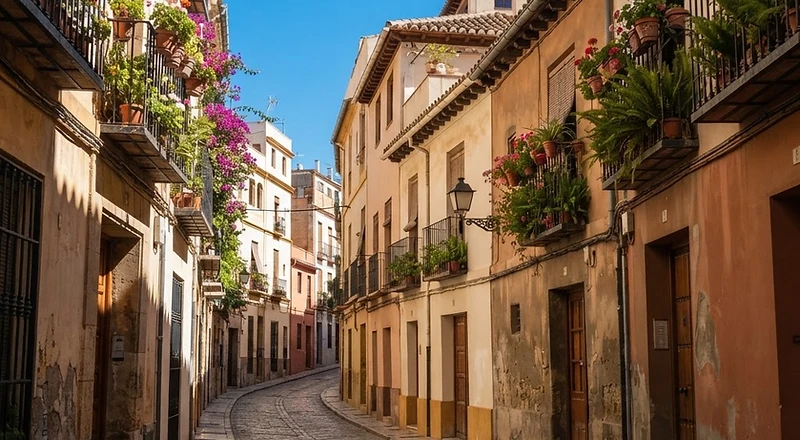
Málaga Authorises Landmark Hotels, Expands Flat Controls
Málaga City Council approves major hotel plans while maintaining strict zoning controls on holiday flats across urban neighbourhoods.
Council Rubber-Stamps Hotel Projects, Keeps Lid on Flat Rentals
Málaga City Hall has given the green light to a major new hotel alongside five tourist apartment complexes, closing out a planning process that began long before the council tightened its grip on short-term lets. The approvals, confirmed at this week's urban planning committee session, mark one of the clearest signals yet that the city wants visitor beds concentrated in purpose-built hotels rather than scattered through ordinary residential blocks.
The decision affects developments that were already in the pipeline when the moratorium on new tourist apartment licences came into force. Rather than scrapping these applications outright, officials assessed each against strict exemption criteria before allowing them to proceed—a process that has taken months to work through committee.
Why These Projects Cleared the Bar
Current municipal rules state that tourist apartments can only operate in urban areas if they have a fully independent street entrance and their own lifts, kept entirely separate from the stairwells used by residents. It's a technical requirement, but one that has effectively frozen new conversions in the kind of mixed-use apartment buildings common across the city centre, where a single stairwell typically serves both permanent residents and holiday-let flats.
The five projects that made it through are not the small-scale conversions that have fuelled much of the controversy over the past few years. They include a boutique hotel built on underused commercial land and purpose-built tourist apartment blocks located in regeneration zones on the city's edges. Planning officials were at pains to point out that these are single-owner operations with on-site staff—more akin to aparthotels than the fragmented, investor-owned flats that have proliferated in neighbourhoods like El Perchel, La Trinidad and Soho in recent years.
The Housing Squeeze Behind the Policy
The backdrop to all this is a rental market that has grown increasingly hostile to long-term tenants. Over roughly the past five years, a steady stream of flats in Málaga's central districts has been pulled out of the residential market and converted into holiday accommodation, pushing up rents and shrinking the pool of available homes for foreign professionals, young families and workers employed locally. For anyone trying to rent a flat in the historic centre, the effect has been obvious: fewer listings, higher prices, and landlords increasingly tempted by the returns on offer from short-term tourist lets.
By steering new investment towards dedicated hotel buildings instead, the council is betting it can satisfy demand from visitors without further eroding the housing stock available to people who actually live and work in the city. Whether this approach genuinely eases pressure on rents remains to be seen, but it does at least draw a clearer line between hospitality infrastructure and residential housing stock—something previous policy largely failed to do.
What the Hospitality Sector Makes of It
Business groups have broadly welcomed the move, arguing that it brings much-needed clarity after years of ad hoc enforcement. Hospitality representatives point out that boutique hotels tend to generate higher spending per guest and support stable, unionised jobs—a contrast with the holiday-flat model, which often operates with minimal staffing and little connection to the local labour market. Conference delegates, corporate travellers and cultural tourists, they note, generally expect amenities such as meeting rooms and concierge services that a converted flat simply cannot provide.
Infrastructure Conditions and What Comes Next
Council leaders have been careful to frame this as openness to investment rather than a retreat from tourism. Beyond the apartment restrictions, new guidelines due to apply to future licensed accommodation will require improved acoustic insulation, upgraded recycling provision and electric vehicle charging points—conditions aimed at ensuring new hospitality developments don't simply add pressure to local services and infrastructure without contributing to them.
Construction tenders for the newly approved projects are expected to open within weeks, giving a concrete timeline for when building work could actually begin. For residents, the practical test will be whether this dual-track strategy—hotels yes, flat conversions largely no—actually translates into more homes staying in the long-term rental market, or whether it simply redirects investment without resolving the underlying housing pressure that prompted the moratorium in the first place.
For those tracking the broader property market shifts along the coast, including how such planning changes affect investment opportunities, Marbella New Homes continues to monitor developments across the region.
Related news


Harry Styles Spotted Touring Art Studios and Strolling Historic Málaga Alleys
Global pop icon Harry Styles takes a quiet creative break in Málaga, exploring contemporary galleries and enjoying local tapas under the Mediterranean sun.

Dramatic Helicopter Prison Break Plot Foiled Near Málaga
A brazen daylight scheme to rescue a high-profile cartel chief by air from a Costa del Sol penitentiary collapses after elite police strike.

Málaga Airport Prepares for Autumn Passenger Rush as Winter Flight Schedules Open
Costa del Sol Airport is seeing steady October flight traffic as European carriers launch expanded winter timetables connecting the coast to British and Nordic hubs.