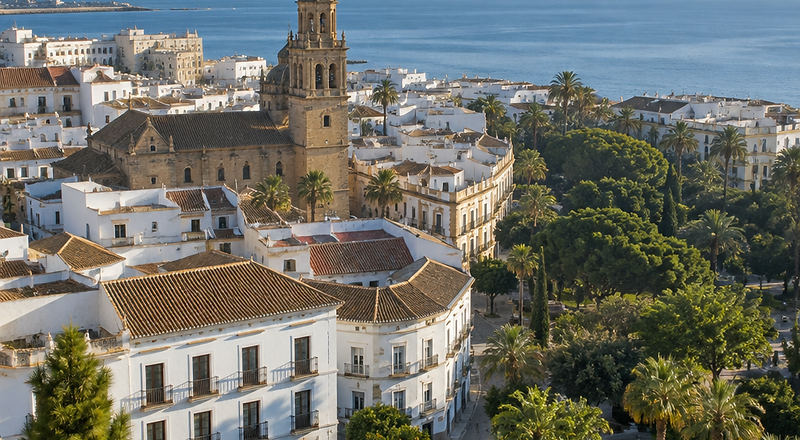
Marbella Budget 2027: 477 Million Euros for a Growing Town
Marbella's town hall has presented a 2027 municipal budget of 477 million euros, almost six percent more than this year, with 85 million euros for investment and 12 million expected from municipal land sales.
The town hall of Marbella has laid its cards on the table for next year. The municipal budget prepared for 2027 climbs to 477 million euros, an increase of almost six percent on the current year and one of the largest spending plans the municipality has ever handled.
The number deserves a moment of attention, because a municipal budget is the most honest document a town hall produces. Campaign speeches are cheap; a spending plan is a commitment backed by accounting. A town that expects decline does not raise its budget by six percent. Marbella, as it closes this year, is planning for growth.
Of the total, some 85 million euros are earmarked for investment: the chapter that pays for streets, public buildings, parks, sports facilities and the long catalogue of works that residents experience with their own eyes. Investment spending is also the part of a budget that outlives the year it is spent in. A road resurfaced in 2027 is still a resurfaced road in 2032, and a park built next spring will still be a park a decade later.
On the income side, the plan counts on 12 million euros from the sale of municipal land. Land sales are watched closely in Marbella, and for good reason. They convert plots the town hall no longer needs into cash once, and into property tax revenue every year afterwards, once homes stand on them. Twelve million euros is not a figure that closes a hole in the accounts; it is a figure that suggests the town hall believes the local development market will still be buying next year.
The announcement lands in a week that has already delivered good news about the town's real economy. At the end of October, Marbella registered 6,515 people as unemployed, its best October figure in twenty years and 576 fewer than a year before. The budget and the unemployment count are two sides of the same coin: a local economy that has kept growing, and a town hall that expects the growth to continue. The two numbers arrived within days of each other, and neither looks like an accident.
Nothing is signed yet. A municipal budget in Spain must pass a vote in the full council before the end of the year, which means weeks of plenary debate, amendments and line-by-line scrutiny from the opposition groups. That debate is where the interesting details will surface: which neighbourhood gets its overdue pavement first, how much the social services chapter grows, how much is reserved for maintenance rather than new projects, and whether the investment figure survives contact with the amendment process.
For residents, the practical meaning of a larger budget is mundane and real: better-maintained public space, more capacity in services, and the slow accumulation of small improvements that mark the difference between a town that looks after itself and one that does not. Municipalities live or die on that slow accumulation, because it is what turns a place into somewhere people stay.
For businesses, investment spending is work. Construction firms, maintenance companies, gardeners, engineers and suppliers all feed off the investment chapter, and 85 million euros feeds a lot of mouths. In a town where the labour market is already tight by seasonal standards, and where October registered the largest post-summer rise on the coast, the timing of public investment is not a detail. It lands exactly when private activity slows down.
There is also a quieter reading of the plan. Marbella's economy used to switch off in November, when restaurants shut and crews were laid off until spring. A budget built on the assumption of a full twelve-month economy is the fiscal version of the diversification the town has been talking about for years. The proof will not be in the document itself, but in the roads, the parks and the payrolls of 2027.
For now the number stands: 477 million euros, almost six percent more than this year, with 85 million for investment and 12 million expected from land sales. It is a statement of confidence issued in the one language that cannot be faked: money.
Related news


Lanserhof Marbella Opens at Finca Cortesin in Late 2026
Lanserhof opens its first southern-European resort at Finca Cortesin near Casares in late 2026, bringing 71 suites, a 2,900-square-metre medical floor and a 93-million-euro bet that longevity is the Costa del Sol's next luxury season.

Marbella Unemployment Marks Best October in 20 Years
Marbella registered 6,515 unemployed at the end of October 2026, its best October figure in twenty years and 576 fewer than a year ago, despite a seasonal monthly rise of 269 people after the summer season.


Marbella police recruitment, 26 new officer posts approved
Marbella police recruitment takes a major step forward as the local council approves 26 new officer positions to reinforce municipal safety and public services.
Free Guide: Buying Property in Spain 2026
A step-by-step guide for international buyers — from NIE to the notary.
We'll send you the guide link by email too. No spam — your details stay with Marbella New Homes.