
Nerja Autumn Feria Opens as Traditional Festivities Light Up Eastern Coast
Nerja marks its patron festival this week with horse parades, bustling casetas, and live musical entertainment across the town centre.
Flamenco, Horses and Fireworks Return to the Eastern Coast
The Feria de Nerja opened this week, turning the town's historic centre and the adjoining fairgrounds into the main stage for one of the eastern Costa del Sol's biggest annual events. Flamenco dancers, horse-drawn carriages and open-air concerts have taken over streets that, for most of the year, see a quieter pace of life built around fishing, small shops and the steady trickle of tourists heading to the Balcón de Europa.
The timing matters. Western towns along the coast wrapped up their own autumn ferias only recently, and Nerja's event effectively extends the festival season into mid-October, giving residents and visitors across the Costa del Sol Oriental one more reason to head east before the year turns toward winter. The dates honour the town's two patron figures, the Virgen de las Angustias and San Miguel Arcángel, a dual dedication that shapes much of the religious and cultural programming layered into the week's events.
Horses, Costumes and Heritage on Display
During daylight hours, the emphasis falls squarely on Andalusia's equestrian tradition, something Nerja shares with inland towns across Málaga province. Streets funnelling toward the cliffside Balcón de Europa — arguably the town's best-known landmark and a fixture of postcards sold throughout the old quarter — have hosted repeated horse-and-carriage parades. Riders in traditional traje corto have been joined by women and children in sevillana dresses, a sight that draws as many phone cameras from tourists as nods of recognition from locals.
The knock-on effect for hospitality has been noticeable. Restaurants and bars throughout the centre have extended their terrace seating to cope with footfall, and the usual staples of a Andalusian feria — fried fish, cured ham, sweet muscatel wine — are doing brisk business both in private establishments and the community-run casetas, the fair tents that double as informal social clubs for local associations during feria week. For bar and restaurant owners, this week represents one of the more lucrative stretches of the autumn calendar, a useful cushion before trade slows with the colder months.
Late Nights and Live Stages at the Recinto
Once the sun goes down, the action shifts to the official fairground enclosure, known locally as the recinto ferial. The town hall has lined up a packed schedule across several stages: flamenco showcases, performances from regional orchestras, and concerts aimed squarely at a younger crowd, all running alongside the usual rides and amusements that give ferias their fairground atmosphere.
One detail stands out from previous years. Organisers have introduced designated noise-reduced evening slots specifically to accommodate neurodivergent children, allowing families to experience the rides and attractions without the full volume and crowd pressure of peak hours. It is a small but practical adjustment, and one that reflects a broader push among Spanish municipalities to make traditional festivals more accessible rather than simply bigger each year.
Local Police and transport marshals have also set up pedestrianised corridors linking the fairground to the main car parks, a measure aimed at keeping the inevitable crush of foot traffic away from vehicle routes during the busiest hours.
Practical Details for Coastal Visitors
Anyone planning to drive in, whether from western municipalities or the inland Axarquía villages, should expect tight restrictions on central parking throughout the week. The town hall is steering visitors toward the perimeter car parks on Avenida Pescia, while intercity coach services from Málaga and Vélez-Málaga offer a reasonable alternative for those keen to avoid the parking scramble altogether.
For homeowners and long-term expat residents in and around Nerja, feria week also means adjusted rhythms: busier traffic, later nights, and a town centre that fills well beyond its usual capacity. Anyone renting out property locally, through platforms or longer-term lets, would do well to flag the dates to tenants in advance, since access to certain streets becomes restricted once the parades and processions get under way.
The celebrations run through the weekend, building toward closing galas and a fireworks display that typically draws crowds down to the seafront for one last look before the town returns to its quieter, off-season tempo.
Related news


Cueva de Nerja joins Science Week with three free events
The Cueva de Nerja has organised three free activities for Science Week 2026, opening the cave's scientific, climatic and archaeological side to visitors.


Nerja Launches Autumn Patron Saint Fair with Traditional Parades and Fairground Shows
The eastern Costa del Sol celebrates the annual Feria de Nerja this weekend with traditional folklore, equestrian exhibitions and live open-air music.

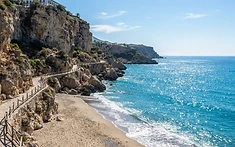
Nerja Coastal Cliff Stabilization: New €2m Government Tender
A major coastal engineering contract will reinforce the cliff beneath the Parador de Nerja and reopen the footway to Carabeíllo beach.
Free Guide: Buying Property in Spain 2026
A step-by-step guide for international buyers — from NIE to the notary.
We'll send you the guide link by email too. No spam — your details stay with Marbella New Homes.