Torremolinos Tenders El Calvario Site for Social Hub
Torremolinos town hall has opened a tender to clear derelict buildings in El Calvario, making way for a modern community and social centre.
A Derelict Plot Finally Gets Its Clearance Order
Torremolinos town hall has opened the public tender for demolition and clearance works on a long-abandoned plot in El Calvario, one of the resort's oldest and most traditional neighbourhoods. The site has sat empty and increasingly derelict for years, and residents living around it have repeatedly flagged the same complaints to the council: overgrown weeds, accumulating rubbish, and a genuine safety risk from the crumbling structures still standing there.
The demolition contract is the first concrete step towards building a new social and community hub on the site. Once complete, the facility is intended to house neighbourhood associations, adult education classes, and a range of municipal services under one roof — a model the council has already tested successfully elsewhere in town.
Why El Calvario Matters to Torremolinos
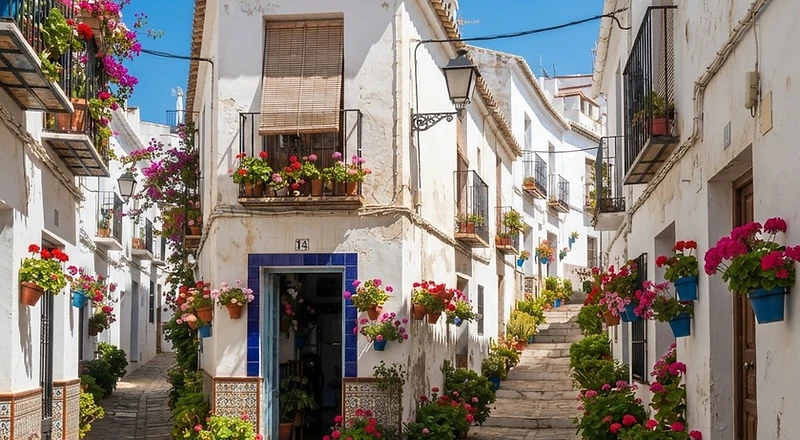
El Calvario is not a showpiece district built for tourists. It is a working residential quarter of narrow streets, family-run bakeries, and traditional tapas bars, the kind of neighbourhood that gives Torremolinos its character away from the seafront. For years, though, the presence of an abandoned plot in the middle of it has been a source of frustration for people who live and run businesses nearby, and a visible contrast with the more polished public spaces elsewhere in the municipality.
Municipal technical reports assessed the site and concluded that the existing structures need to come down before any new building work can begin. That is standard procedure, but it also matters practically: until the plot is cleared and surveyed properly, architects cannot finalise a design that actually fits the space and the needs of the people who will use it. Council officials have said as much, framing the demolition not as an isolated job but as the groundwork that allows planners to get the layout right the first time.
Funding, Timeline and What Happens Next
The preliminary demolition phase is being paid for directly from the council's local infrastructure budget, which town hall representatives say means the works can start as soon as a contractor is chosen, without getting held up by wider administrative approval processes. That is a meaningful detail for residents who have watched this plot sit untouched for a long time: it suggests the council wants to move quickly once the tender closes.
According to the timeline set out by the council, bids for the demolition contract will close within the coming weeks. Machinery is expected on site before the end of the year, which would allow clearance and any necessary ground surveys to happen over the winter months. The social centre itself is scheduled to open to community groups by late 2027 — a multi-year project, but one with a defined end point rather than an open-ended promise.
For homeowners and renters in the immediate area, the practical upshot in the short term will be noise and disruption typical of any demolition site, followed by a longer construction phase. In the medium term, though, the plan removes a recognised safety hazard and replaces it with a facility residents can actually use for classes, meetings and municipal paperwork, rather than travelling further into town for those services.
Following the Isabel Manoja Model
The council is explicitly pointing to its own track record here. The former municipal market nearby was redeveloped into the Isabel Manoja community centre, and that project is being cited as the template for what El Calvario can expect: a disused or underperforming public space converted into something with daily civic use.
This is also not a standalone initiative. It follows the multimillion-euro renovation of Plaza de La Nogalera, the pedestrian square at the centre of town, completed earlier this summer. Council leaders have described that project as the first phase of a wider push to modernise public facilities, with attention now shifting from headline central spaces to residential pockets like El Calvario that rarely get the same investment or publicity.
For a coastal town whose public image is dominated by its beaches and tourist strip, that shift matters. It signals that municipal spending is being directed towards the streets where people actually live year-round, not just the areas visitors see. Whether the council keeps to its stated 2027 opening date will be the real test of how far that commitment extends once the demolition machinery finishes its work and the harder job of building begins.
Related news

Torremolinos Transforms Plaza de La Nogalera for Traditional Autumn Oktoberfest
Torremolinos blends Bavarian brewing customs with coastal hospitality as the annual Oktoberfest beer festival returns to the town centre this weekend.


Bikers Gather for Torremolinos Autumn Motorbike Rally and Coastal Excursions
Torremolinos prepares to host hundreds of riders from across Europe this weekend for the Concentración Mototurística, featuring mountain rides, exhibitions, and rock concerts.


Chiringuito Owners Fight Strict Coastal Demarcation Regulations
Costa del Sol beach bar proprietors launch an urgent campaign against rigid coastal concession rules threatening long-standing seafront establishments.